3 Tactics Learned from the Arsenal 2-1 Chelsea
The best attack and the best defence in the league came head-to-head at the Emirates Stadium, with Xabi taking on his old friend, Mikel Arteta. Arsenal narrowly came away victorious, but what were the details that defined the game and gave Arsenal the win?
Chelsea lined up in the same shape of 5-4-1 (usually 5-2-3) off the ball and a 3-1-6 on it, similar to Arsenal's shape and with similar positional personnel. This is how Arsenal like to do it, Rice drops between the CBs, Lewis-Skelly is the single pivot, then usually Odegaard drops to give his team more hands in the build-up, and the 2 FBs push high, Calafiori on the LHS and White on the RHS, but rotating with Saka out wide.
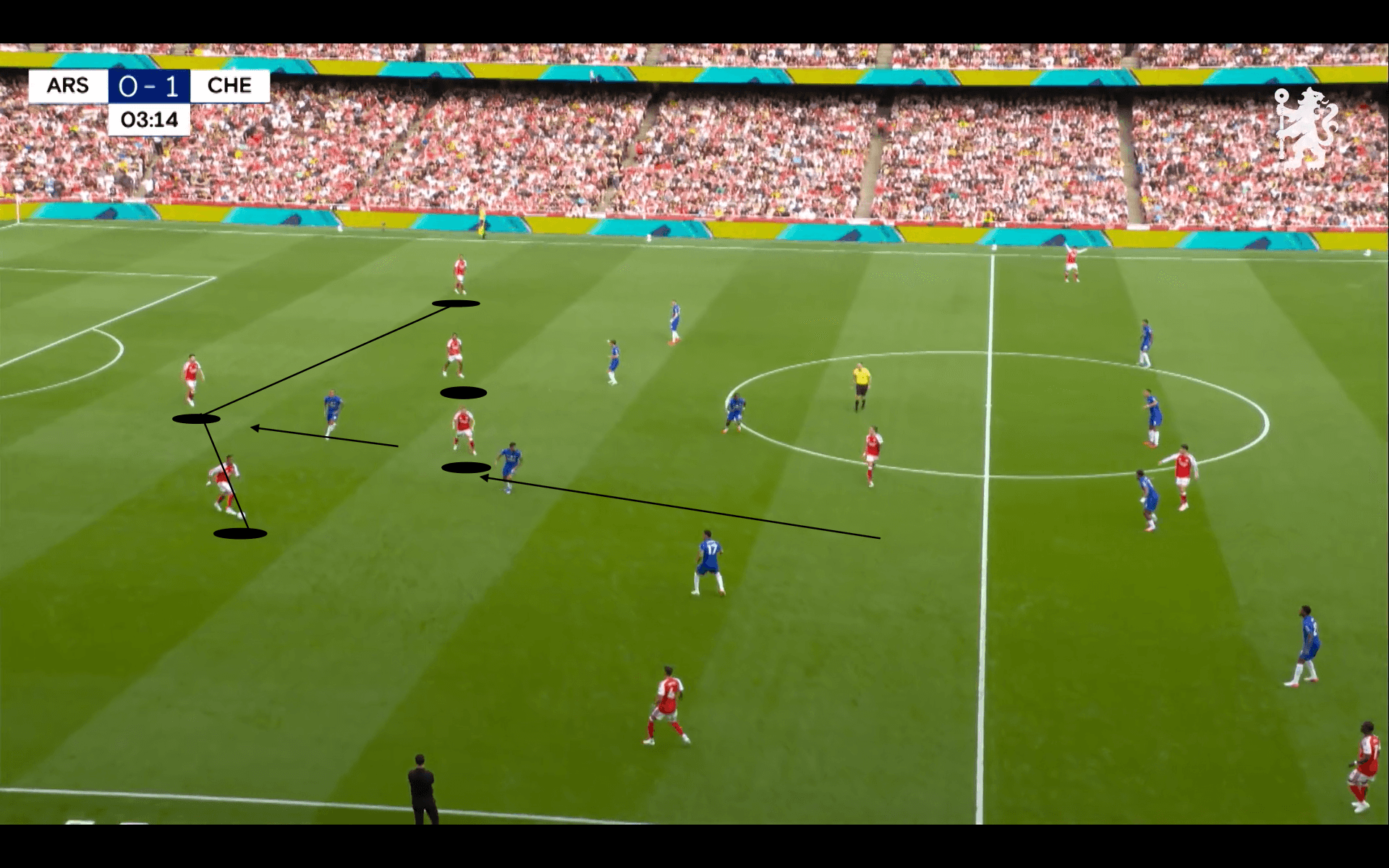
Chelsea did this with Reece also dropping between the CBs and Lavia in front, and like Odegaard, Palmer dropping deep to orchestrate play.
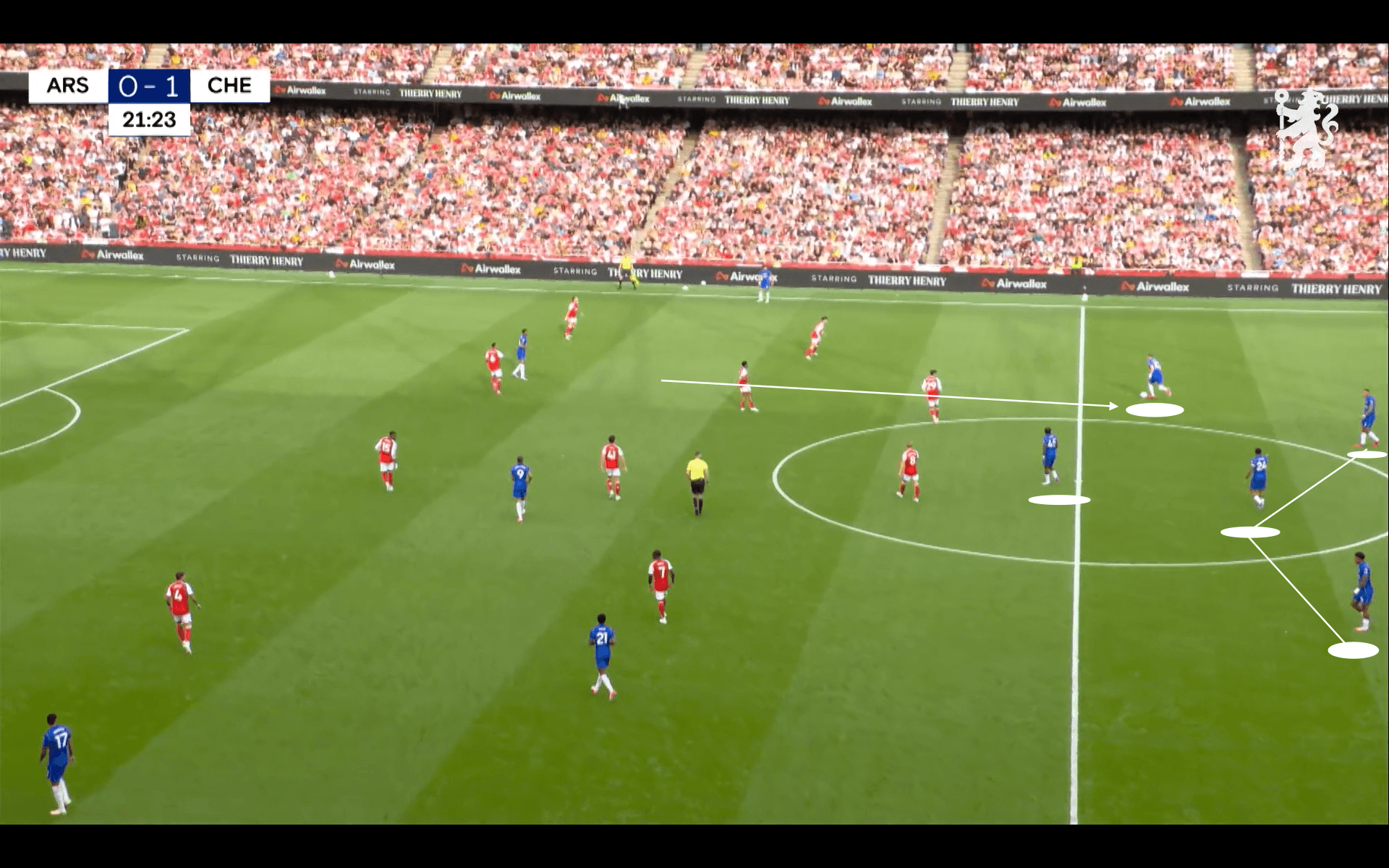
So into the details with this,
Chelsea still struggled with the mid-block shape
So against Brighton and Fulham we’ve seen some issues from Chelsea in the mid-block shape- the 5-2-3/5-4-1 mid-block shape, especially when they try to transition into a coherent press, Neto’s role off the ball was to defend against Calafiori and tracked his movement into the LHS so at times Chelsea defended in a 4-4-2 midblock but it was mostly Man oriented at times which caused issues when Arsenal rotated especially on the right side. But that is another point. The midblock here for Chelsea still struggled with the timing of when to push up and when not to, and who to track. This, for example: Chelsea are trying to press high; White and Saka are wide for Arsenal, and Fofana is not sure whether to step out to Calafiori, and Rogers is not sure to cover the centre or White. This gives White lots of space, and Havertz uses Fofana’s confusion to make a dart in behind the defence
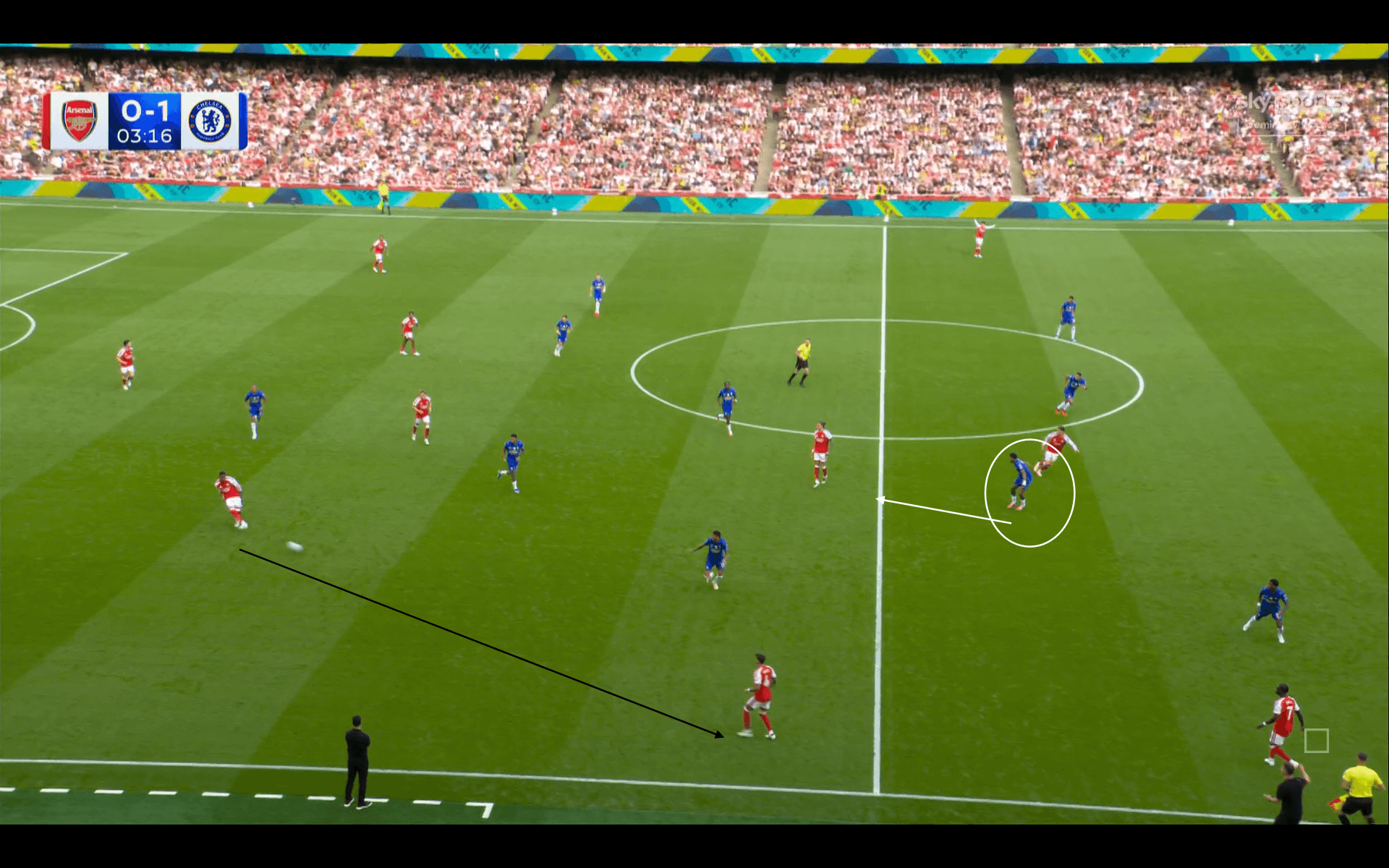
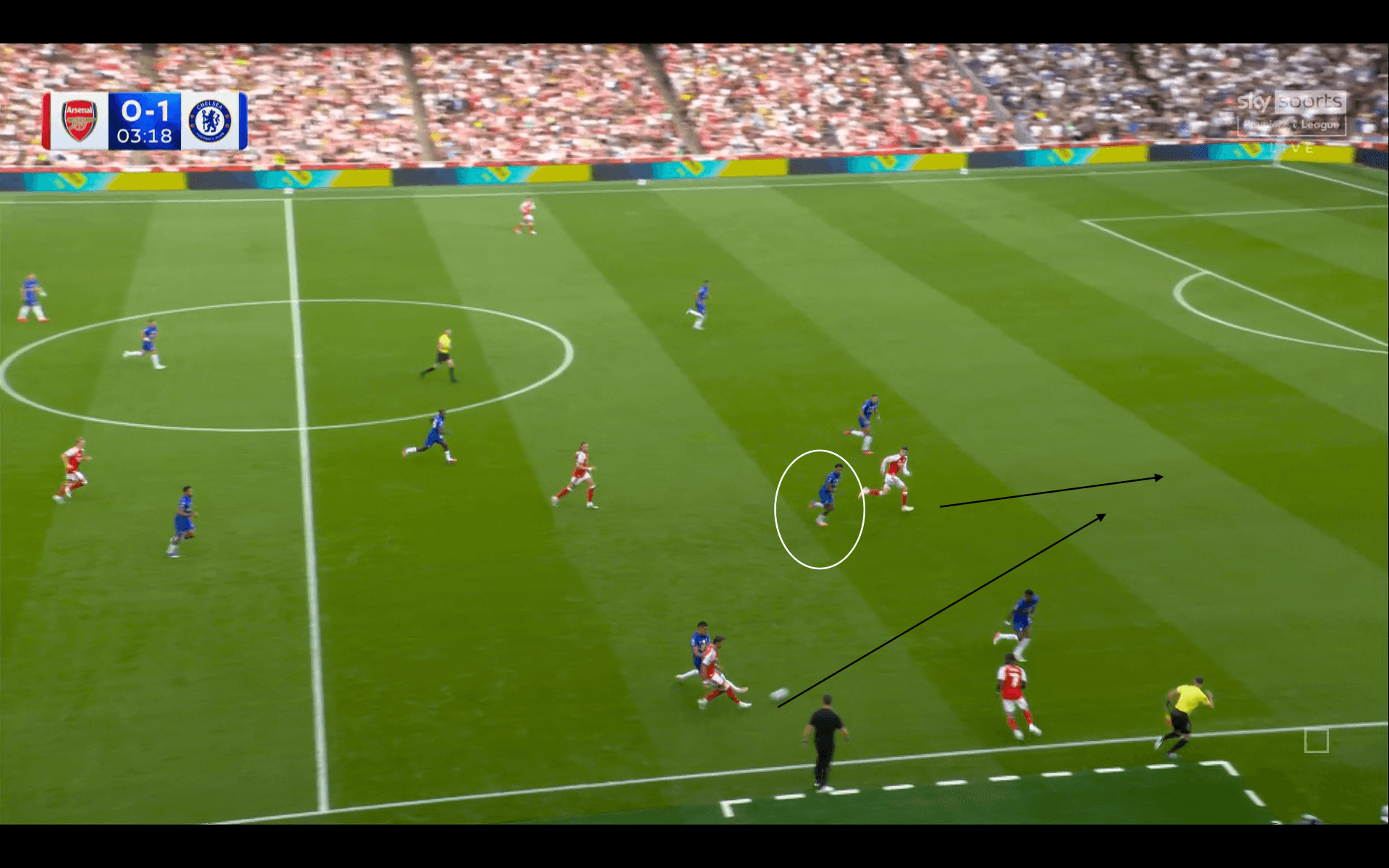
Ben White plays Havertz, who wins Arsenal a free kick that Arsenal almost scored from.
Reece and Lavia struggled with their defensive screening.
If you noticed in the above images too, it looked like Lavia and Reece, the double pivots, they seemed nowhere near the play, which was because it looked like that all game. To be honest, I can't remember Reece and Lavia playing much together or at all. The space in the middle of the pitch and between the CBs and midfielders, even if it wasn’t massive, was an issue because the screening from Lavia and Reece wasn’t there. I’ll quickly point to the examples. You can see it in both goals. But mostly the 2nd. The first had a combination of the rotation opening up space for Havertz to receive and cut in and shoot but again Reece and Lavia were no where to try and block.
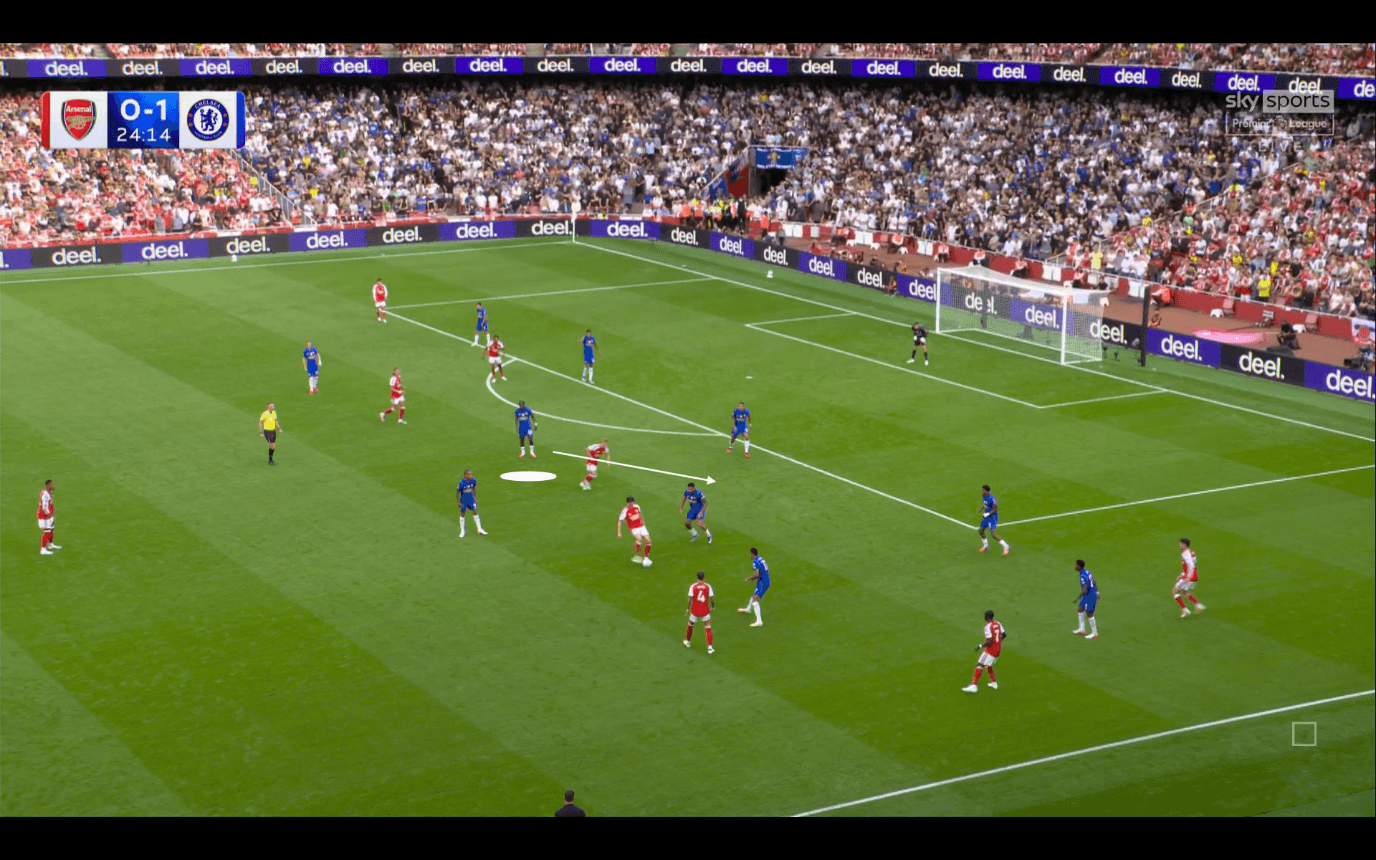
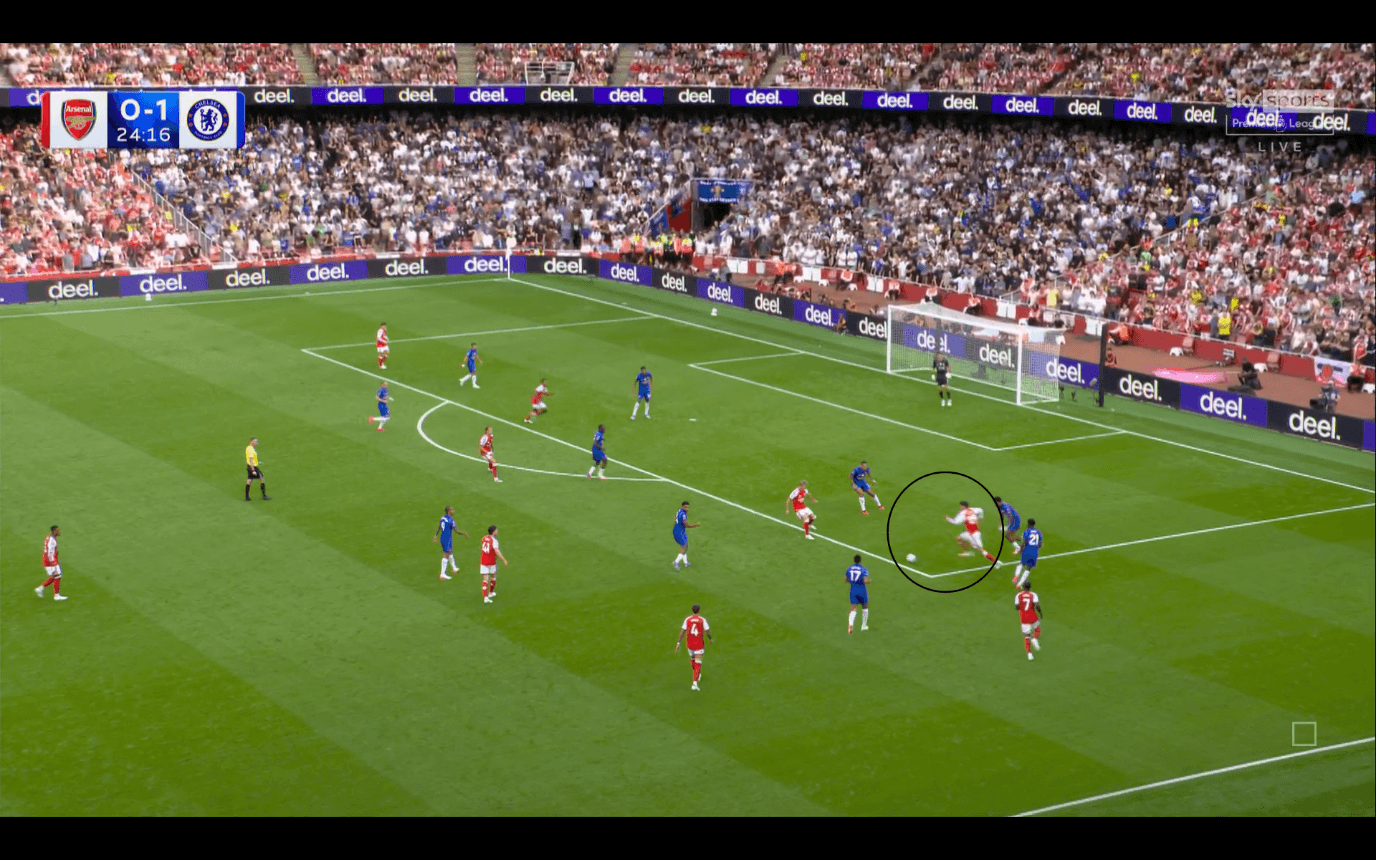
The 2nd Arsenal goal was even more clear about this. Reece didn’t read the deep run of Odegaard early enough. Reece is meant to be on the goal side of Odegaard like a CB because he’s on the last line; he’s defending no one. Lavia, who should have been more aware of what was behind him, also came out to press so with many Chelsea players in and around the same area, it was not enough to defend because players were in the wrong positions.
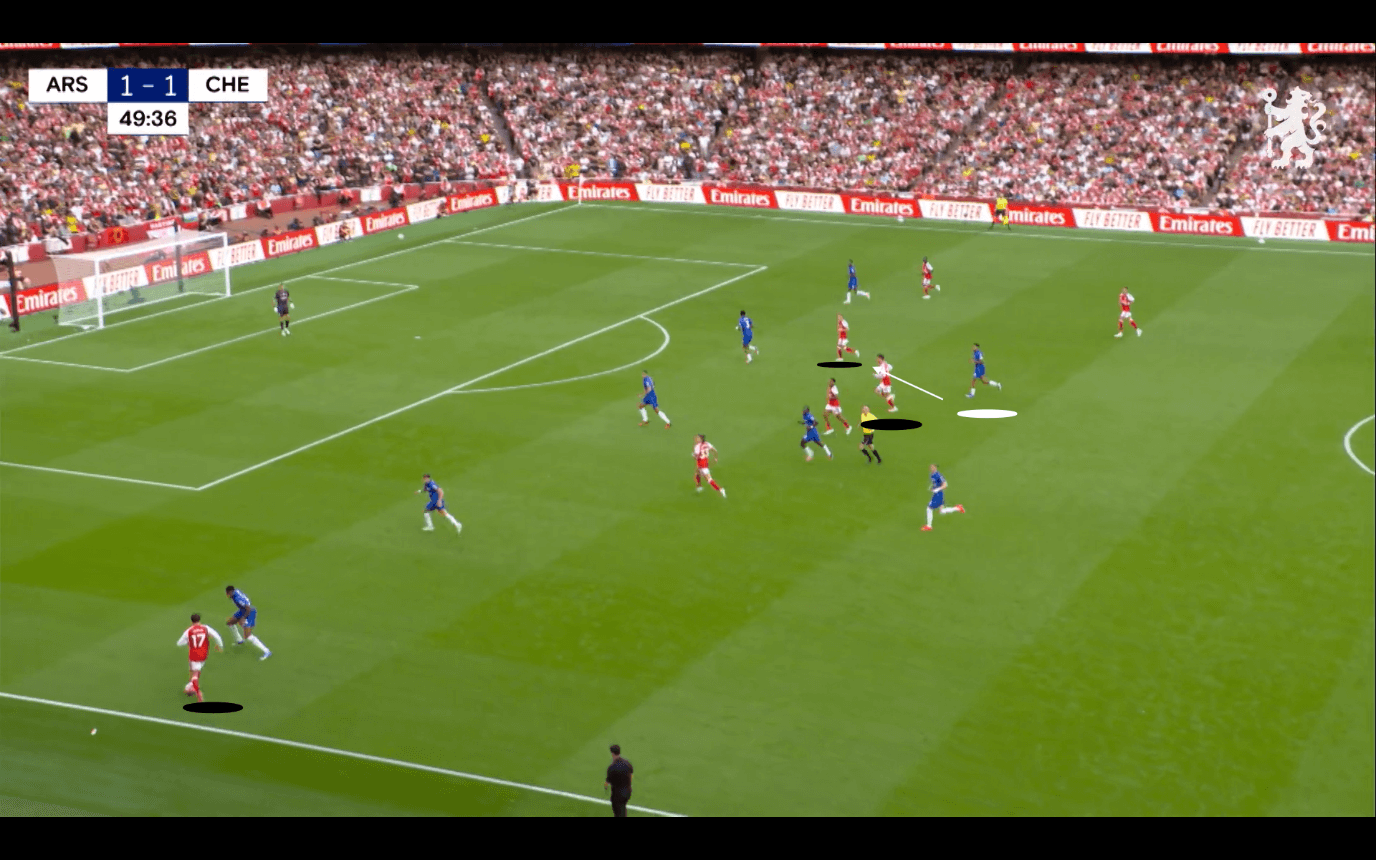
Lavia should be blocking the pass to Havertz, since Palmer is already there; Lacroix and Neto are covering the same player. It was a failure of multiple players in that scenario for the team to be opened up so easily.
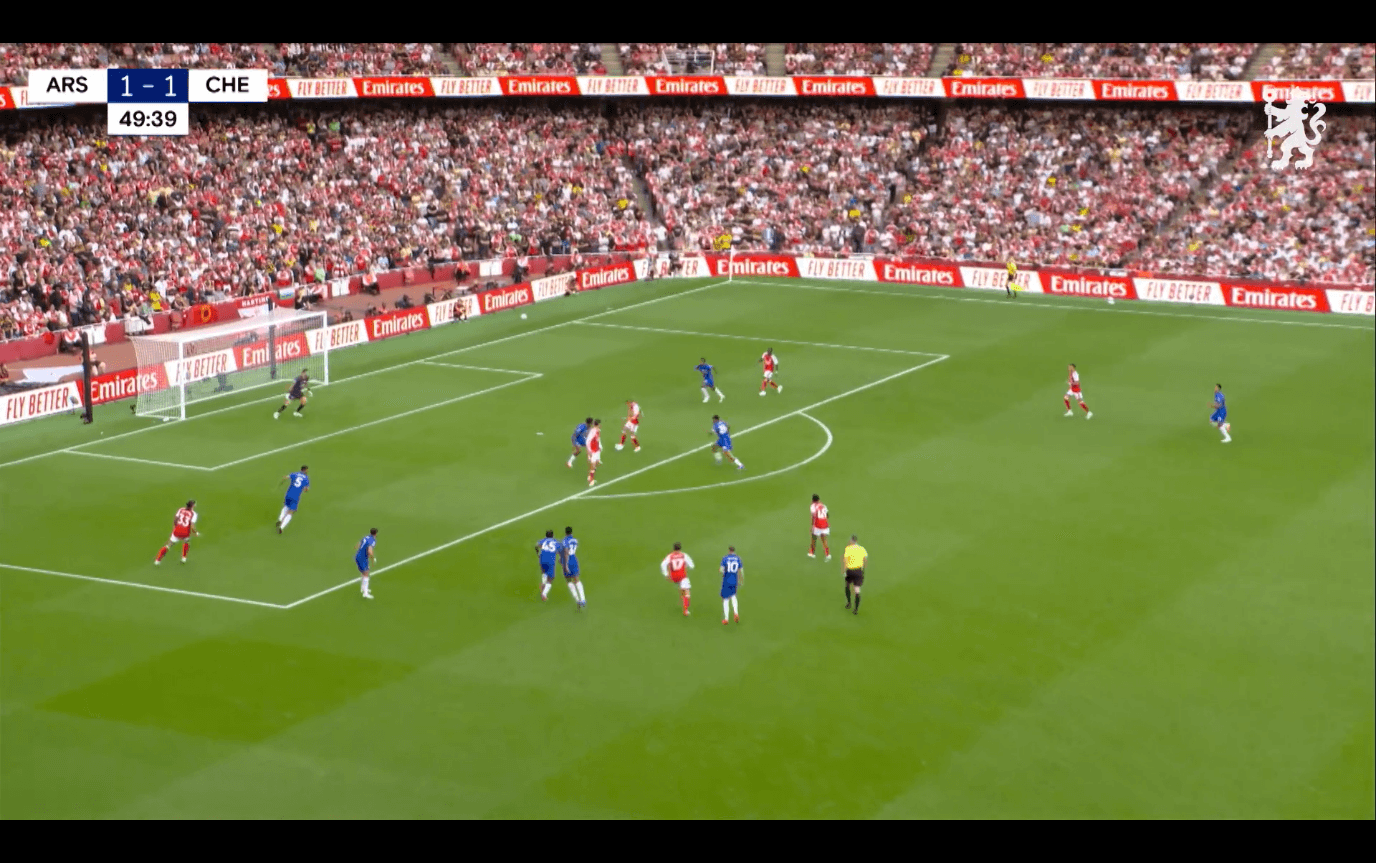
Havertz smartly left it for the late run of Odegaard, and Arsenal scored.
Arsenal’s right-side rotations caused Chelsea problems
Lastly, The 4 of Havertz, Saka, Odegaard and White were causing problems with their rotations and movement, and Chelsea couldn’t handle it enough in the first half, especially. Arsenal created loads of chances from that side. It is the side they attack the most based on historical evidence as well. It is hard to defend against, I would say that, as it has caused teams problems even before this season, but last season it was mostly Timber.
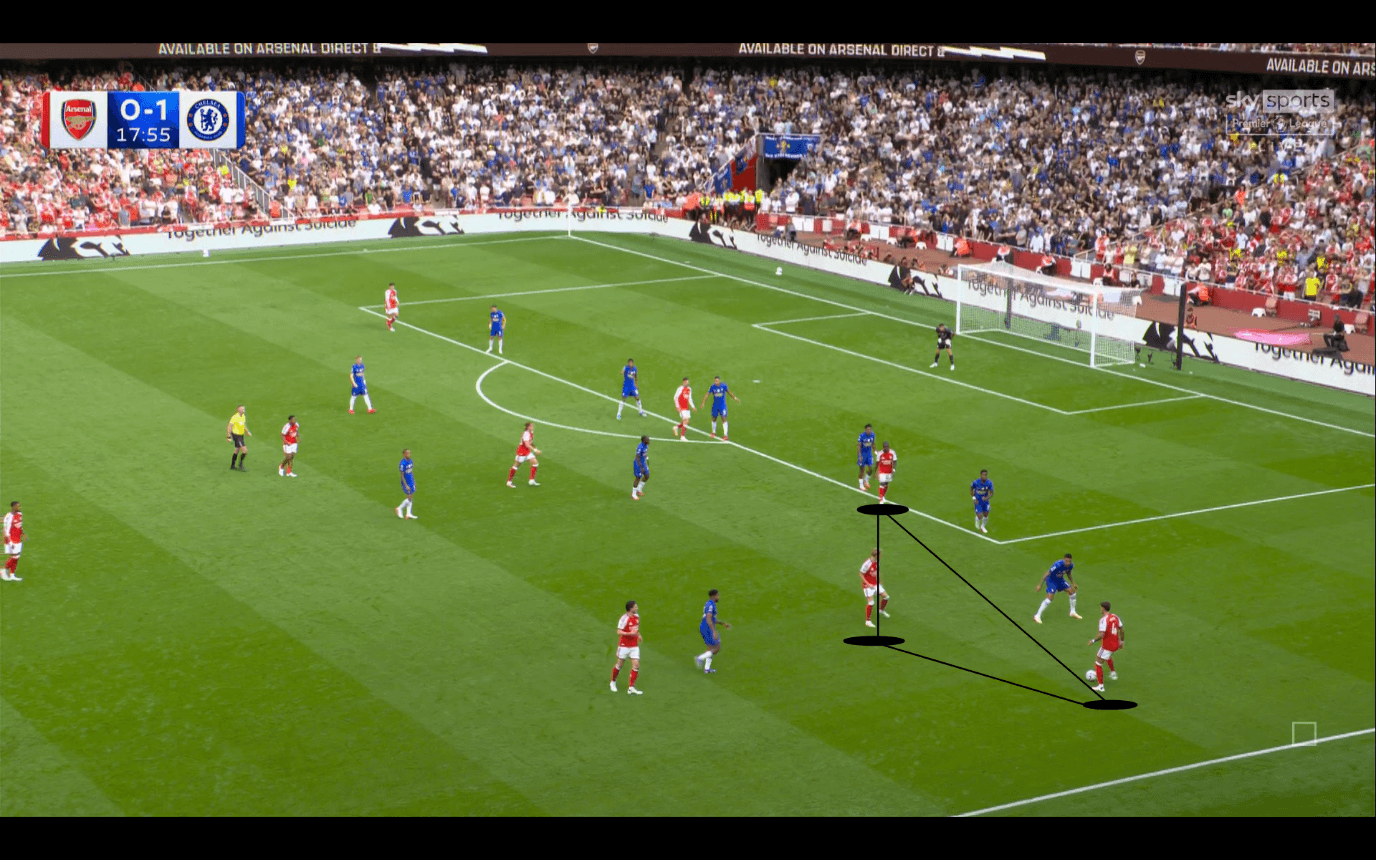
White’s late overlaps, especially with Rogers not being the most aware defensively running back to his own goal, was a problem.
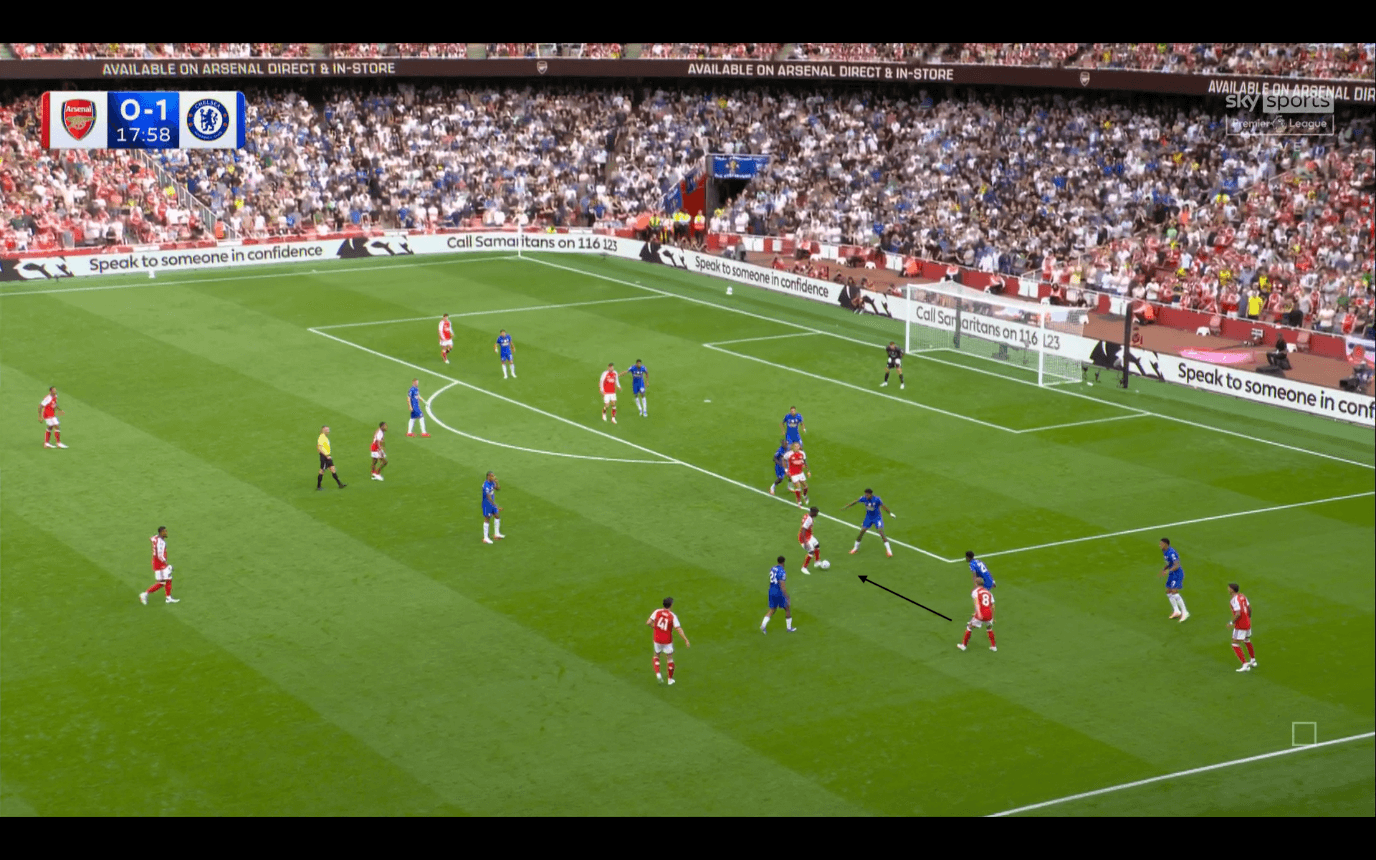
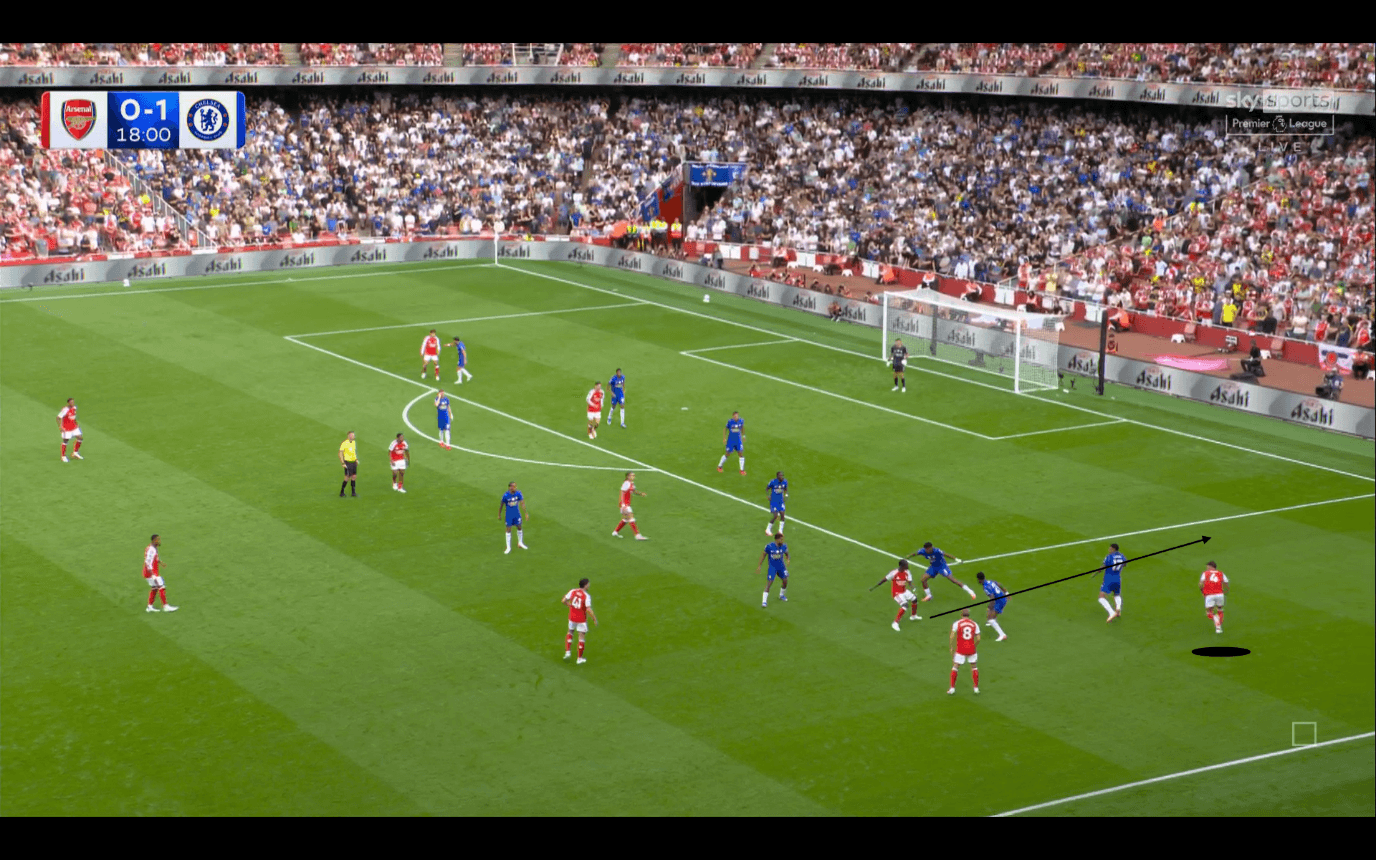
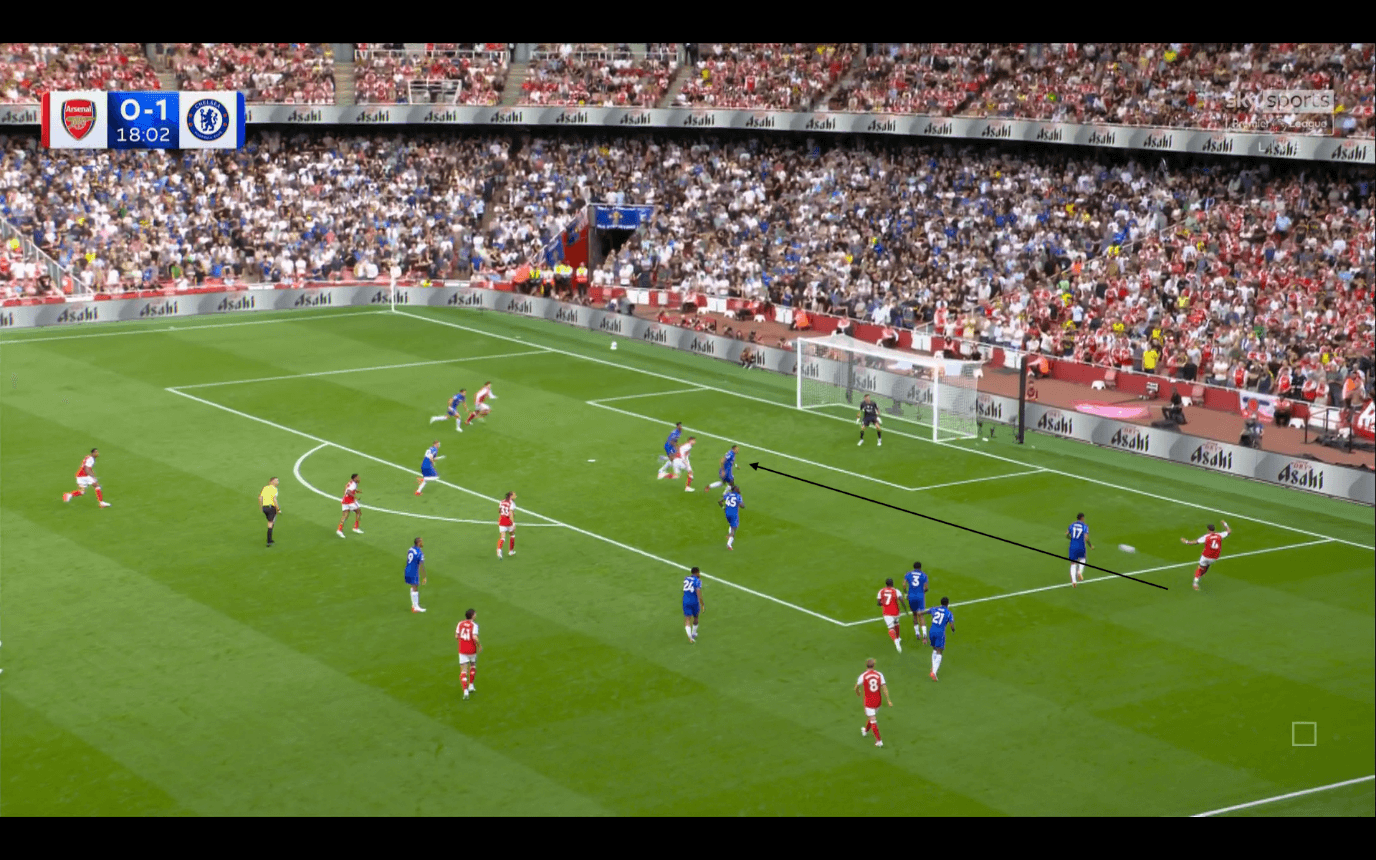
Felt Chelsea knew about the dangers and should have reacted like it at times because it was runs from behind; Rogers, for example, here should not have let White get behind for a free cross.
Chelsea did show some good things in terms of making the game more even, using counter attacks, some long balls from Martinez to start attacks
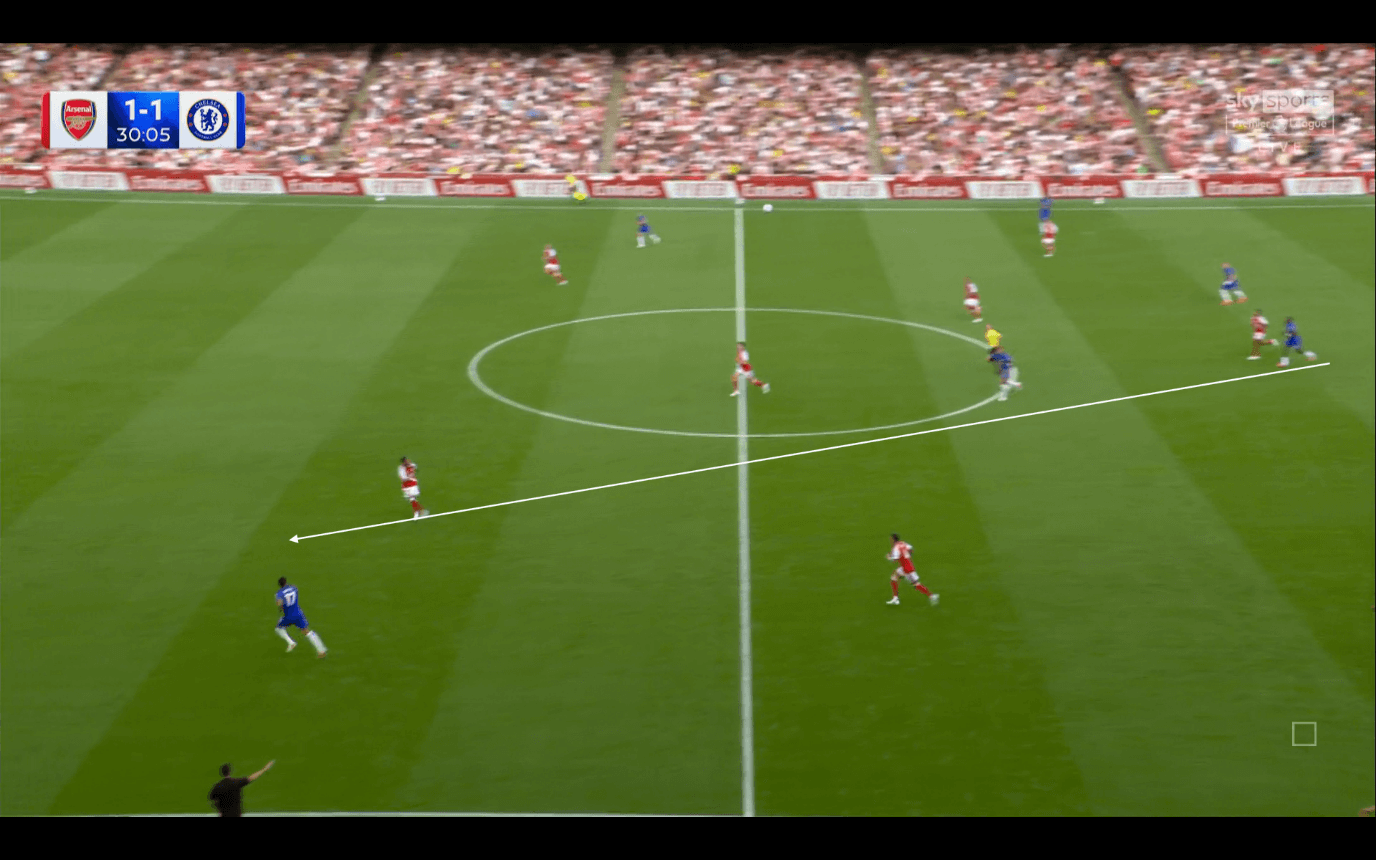
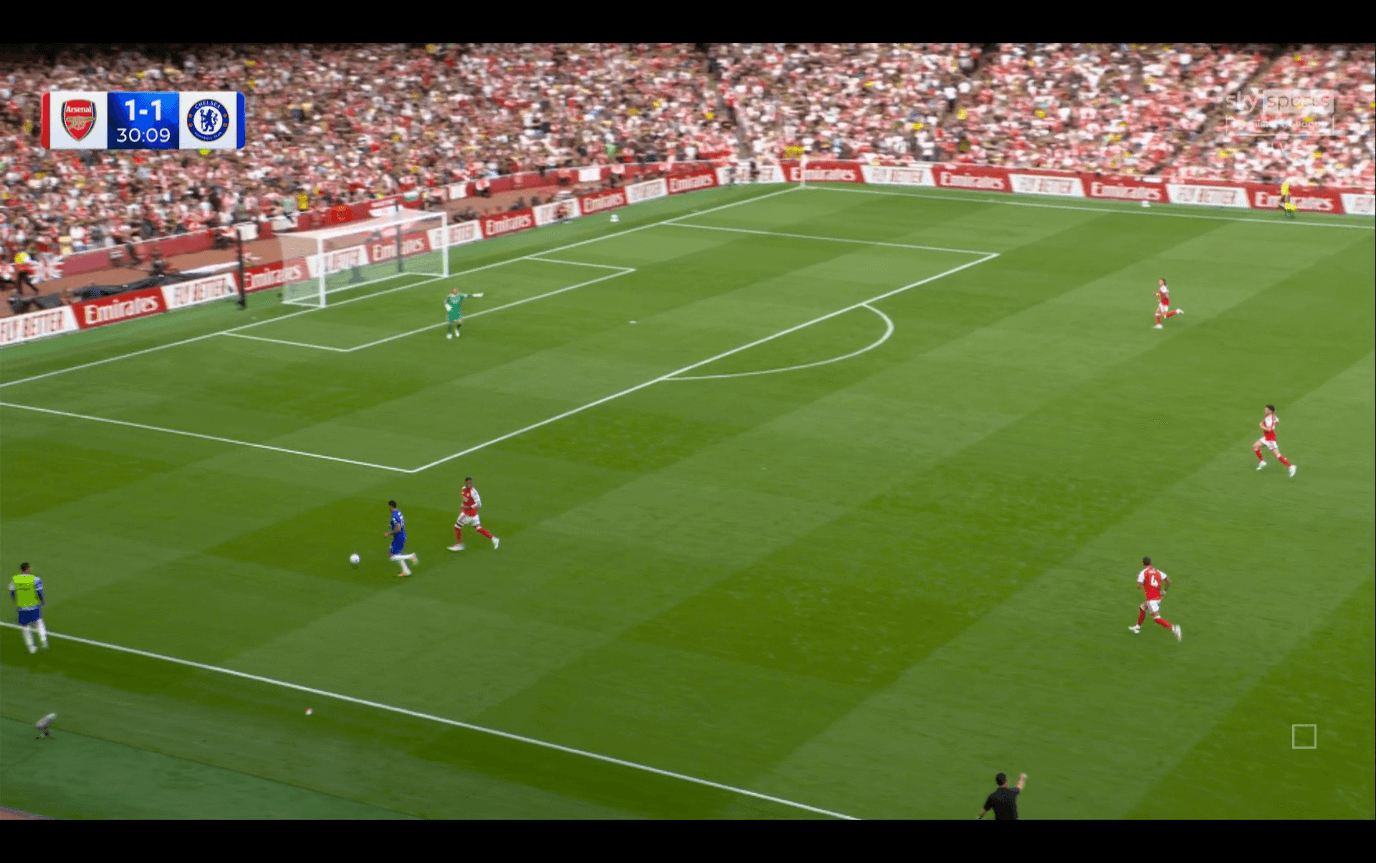
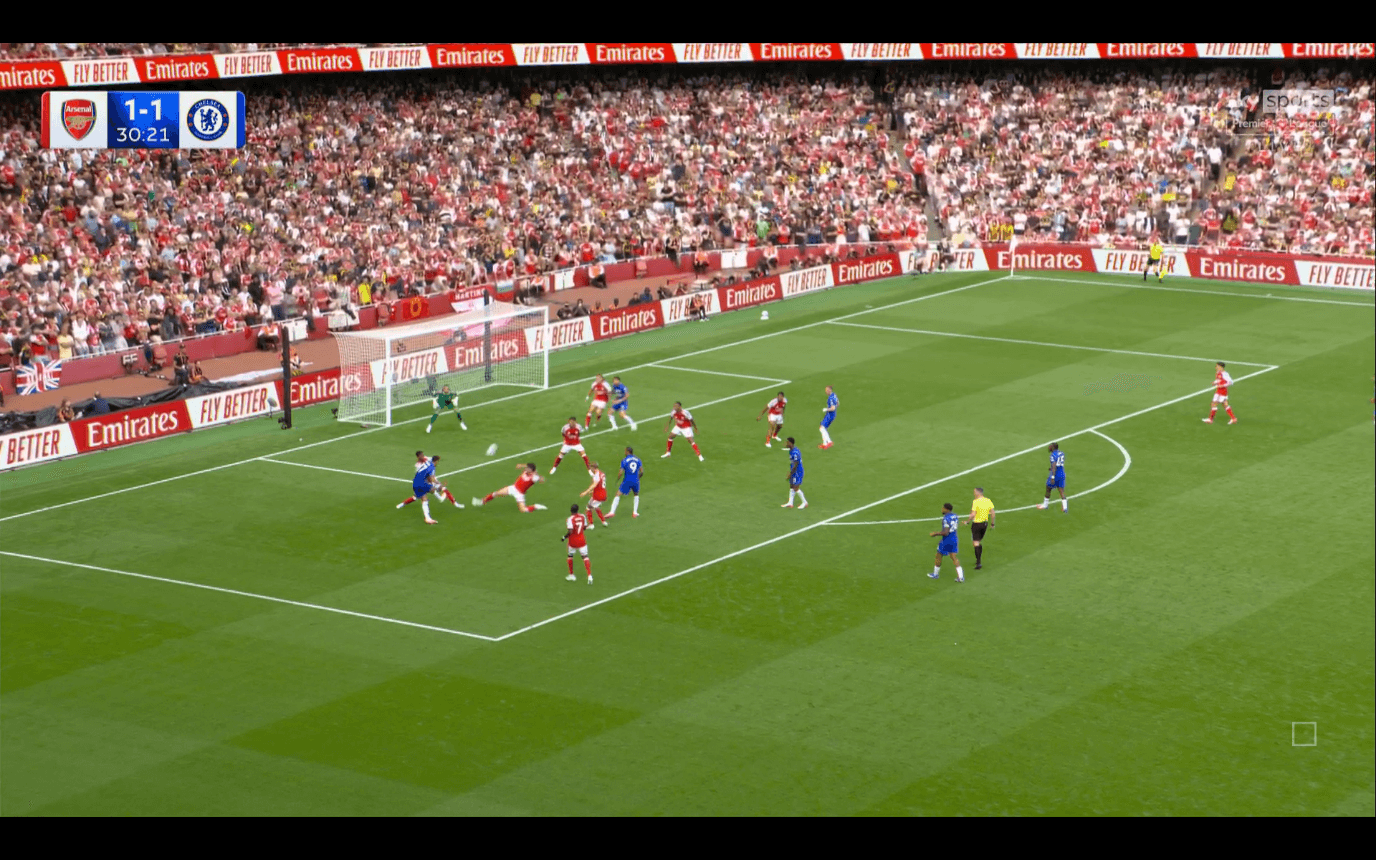
Chelsea threatened Arsenal far more than any club this season so far, but CPR were not at the best they were in previous games and only came up in bursts.
Arsenal were not by far the better team, but they were the better team. Showed how to handle rotations better in their own shape and caused Chelsea problems on the right side as well. Chelsea managed more possession this time around with a more even game state this time around.
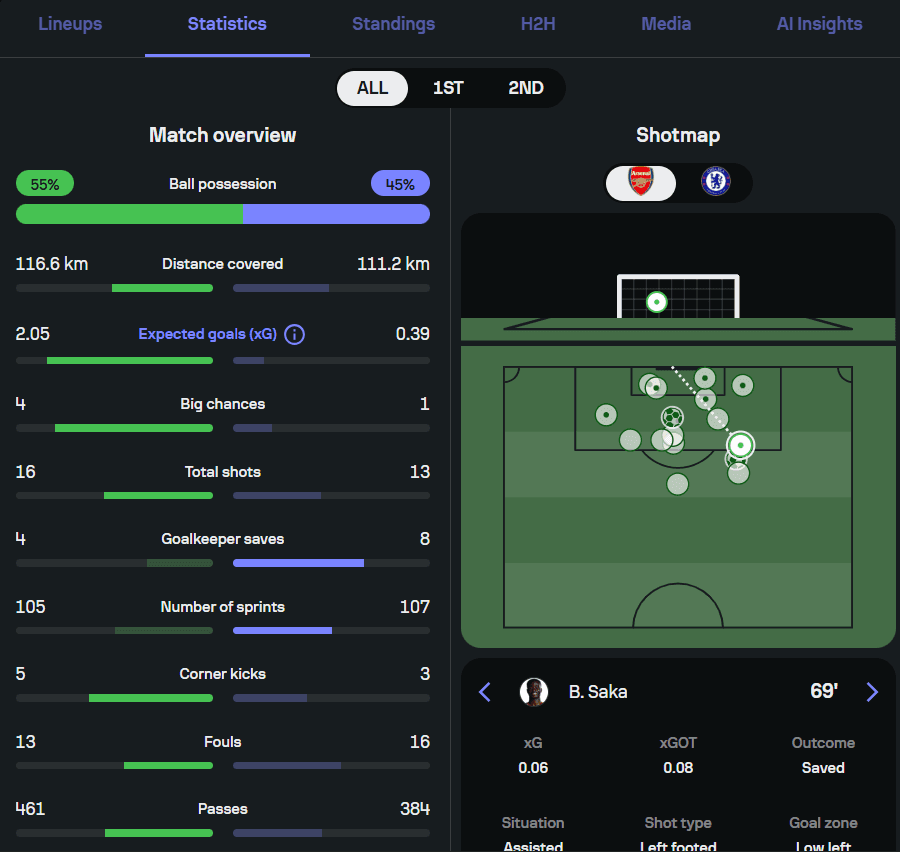
Arsenal created bigger chances from open play and set pieces too, More xG. Good to see Rogers still show how good he is in the final third too, but without Caicedo and a solid midfield off the ball at least, Chelsea will be an even far better team with Caicedo in there and further casts the question of whether Chelsea should have sorted out the midfield way before deadline day for this eventuality. The good thing is that there will be far fewer big tests than Arsenal in the league, and Chelsea tactically could hang, albeit still a new side with key pieces missing, but Alonso showed that he can go blow for blow with teams like this and, with time, will be a better side.
.jpg&w=1920&q=75)