5 Things we Learned Chelsea 3-2 West Ham
5 Things We Learned: Chelsea 3-2 West Ham — the half-time reset that changed everything
Chelsea were 2-0 down at the break, booed off, and deservedly so. The first half had all the ball and none of the bite. West Ham were sharper, more direct, and they kept finding space where Chelsea didn’t want to see it.
Then the second half happened. Three changes, a different mood, and a different Chelsea. The subs flipped the tempo, the crowd flipped with them, and suddenly Stamford Bridge was dragging the team back into the match rather than groaning at it.
Here are the five big lessons from a derby that had everything.
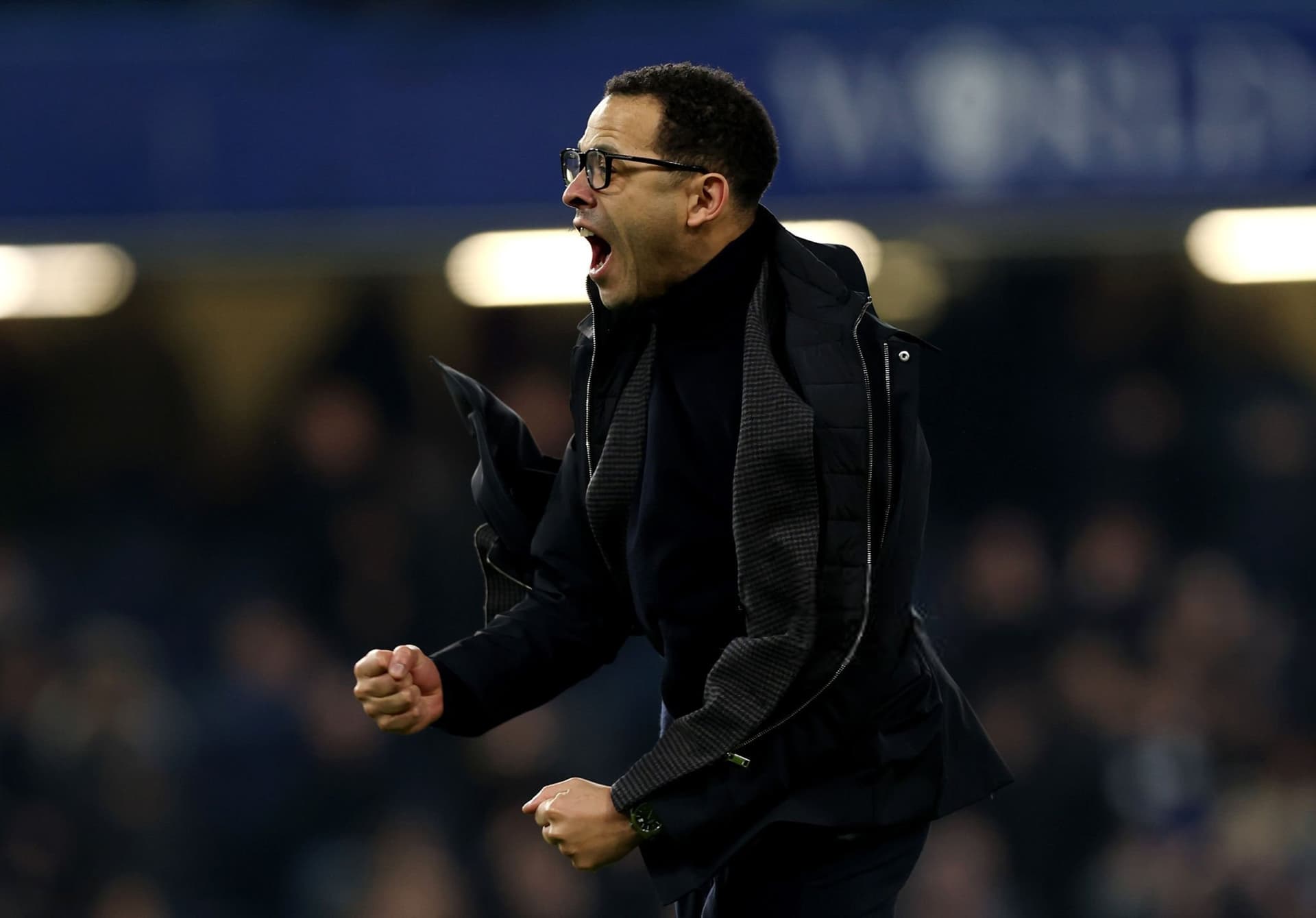
1) Rosenior’s biggest message is simple: reaction, reaction, reaction
After the game, Liam Rosenior didn’t dress it up. He basically said the first half was nowhere near the standard for energy and decision-making. Not just “we conceded two” — the basics weren’t right: second balls, duels, distances in the press, and what Chelsea did immediately after losing the ball.
The second half was the opposite. The reaction was immediate. Players pressed with intent, ran back into shape faster, and started making quicker decisions in possession instead of taking extra touches.
That’s the “non-negotiable” you keep hearing from him: you don’t need a new system to fix a bad moment — you need a better reaction to it.
2) Rotation isn’t the issue… the drop in connection is
Chelsea have to use the squad. Everyone knows that. But this was the clearest example yet of what happens when the “rotated” team doesn’t look connected.
The first half felt like a group of good players playing next to each other rather than with each other. The distances were off. The covering was late. The passes were safe when they needed to be sharp.
Rosenior even said the players who came off shouldn’t get pinned as individuals — it was collective. That’s fair. But it’s also the point: when you rotate heavily, you can’t afford half a team to be half a second late in a derby.
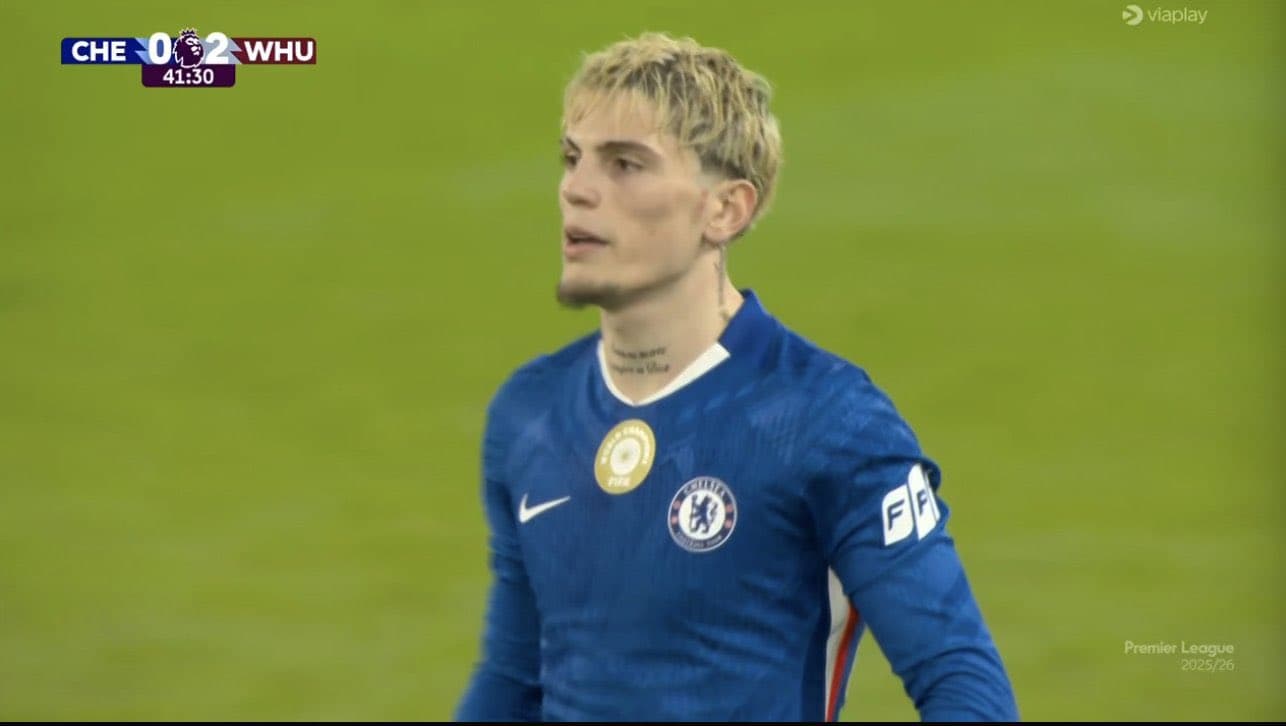
3) Garnacho had a rough one, and it hurt Chelsea in both directions
This is where West Ham found joy. Alejandro Garnacho struggled to affect the game going forward, and West Ham were happy with that because it also allowed them to attack his side with confidence.
He wasn’t driving the full-back back. He wasn’t winning the duels. And defensively, West Ham kept getting combinations down that side without Chelsea looking fully set.
It wasn’t just “he played badly”. It was that the whole left side became a target. When a winger isn’t giving you threat in behind or helping you lock the flank down, you end up stretched.
That’s why Rosenior didn’t wait. He changed it at half-time, and the match changed with it.
4) The triple sub didn’t just add quality — it changed the attitude
The second half had a different feel within minutes, and it wasn’t subtle.
Wesley Fofana stepped in and played on the front foot.
Marc Cucurella brought urgency and aggression.
The crowd sensed it and got with the team early in the half, which Rosenior called out afterwards.
This is what matters: the comeback wasn’t built on pretty patterns. It was built on purpose. The ball moved quicker. The pressing had intent. People started arriving in the box like they meant it.
5) João Pedro was the catalyst — everything ran through him
If you’re picking the turning point of the night, it’s João Pedro walking back onto the pitch after half-time.
He gave Chelsea a focal point straight away. He was constantly moving, constantly showing for the ball, constantly dragging defenders around. And once the first goal goes in, the whole stadium changes.
His impact was everywhere:
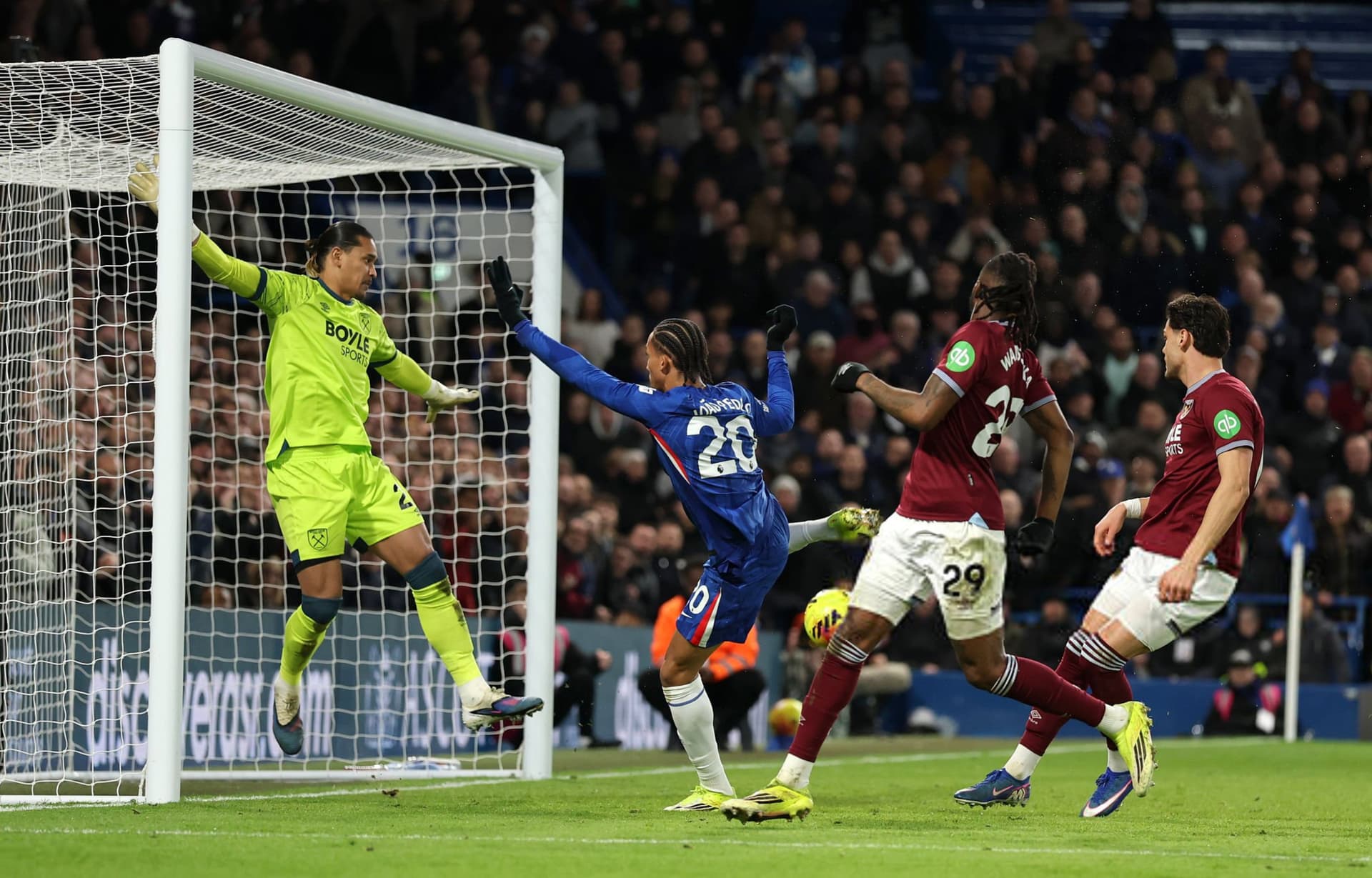
He scores the first comeback goal with a proper striker’s header.
He keeps linking play so Chelsea don’t attack in broken waves.
And for the winner, he does the key bit: the run into the box, the composure, then the cut-back that lets Enzo Fernández finish it.
Chelsea needed a spark. João Pedro was it. Not just because he scored, but because the team suddenly had direction and belief when he was on the pitch.
And even in the late chaos, he was at the centre of it — the flashpoint, the shove-and-grab moment that VAR cleaned up with the Jean-Clair Todibo red card, and then Chelsea seeing it out.
Quick final thought
This can’t become a habit. Chelsea won’t always get away with starting that flat.
But the second half showed something Rosenior clearly cares about: when the crowd turns, the team doesn’t have to splinter. It can respond, dig in, and force the game back on its terms.
And to finish it off, it was fitting that Trevoh Chalobah got the last act at the end, heading away the final danger after everything that happened at half-time.
Next up, it’s straight into another massive one, and the lesson is obvious: start like the second half, not the first.
.jpg&w=1920&q=75)